
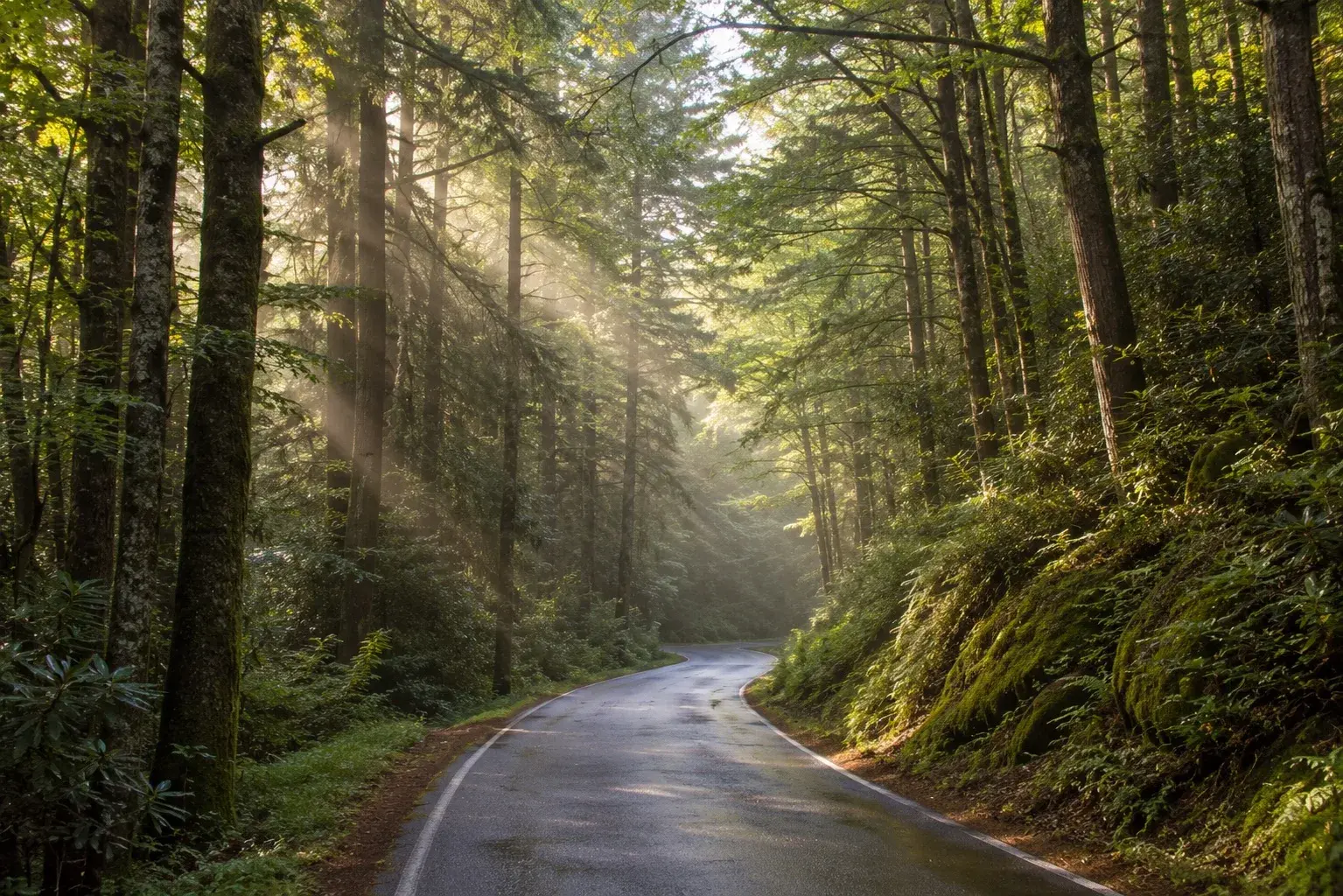
Smoky Mountains · Roaring Fork Motor Nature Trail, Great Smoky Mountains National Park, Tennessee
Roaring Fork Motor Nature Trail
Wind through a dense forest canopy past pioneer homesteads and mountain streams on a 5.5-mile scenic drive with a completely different feel from the rest of the park.
- 8 missions
- Explore in real life
- Snap the photo
- Learn more if you’re curious
A Roaring Fork adventure built around the settlers' road history, Grotto Falls, the Ephraim Bales cabin, stream ecology, legacy orchard plantings, the Alfred Reagan tub mill, cove forest biodiversity, and the self-sustaining communities that lived here before the park displaced them.
- Where
- Roaring Fork Motor Nature Trail, Great Smoky Mountains National Park, Tennessee
- Time
- 45-75 min
- Missions
- 8 · complete 6 to finish
- Collection
- Smoky Mountains
- Forest
- Stream
What this adventure explores
- Notice the pioneer structures, forest layers, and stream sounds that tell the story of life in the Roaring Fork cove
- Complete any 6 of 8 missions
- Capture one shared Roaring Fork memory worth keeping
Missions
8 missions at Roaring Fork Motor Nature Trail
Mission 1
The Road Through Time
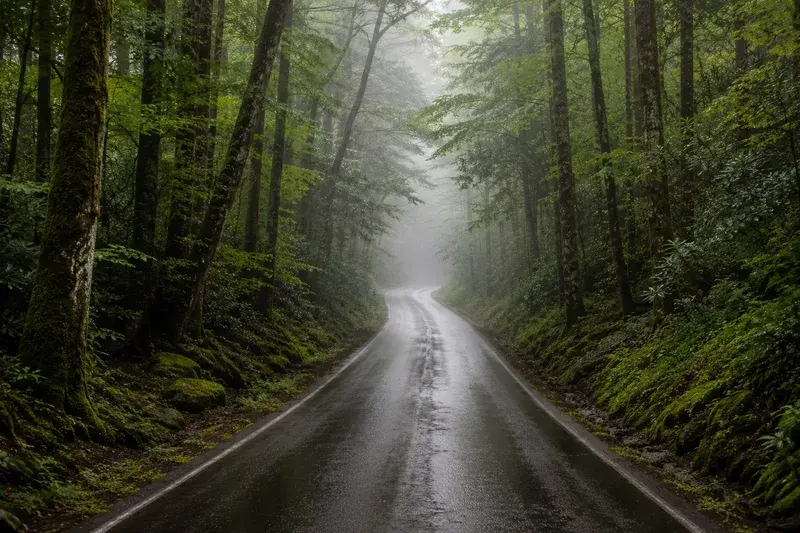
Roaring Fork Motor Nature Trail follows an old settlers' road that once served as the main route for mountain communities in this cove. The one-way paved loop was established in the 1960s using portions of those original wagon paths, which is why it winds so tightly through the trees — it wasn't built for modern traffic, it was preserved for history. As you enter the canopy, notice how quickly the forest closes in around the car.
Mission 2
Grotto Falls Hunt
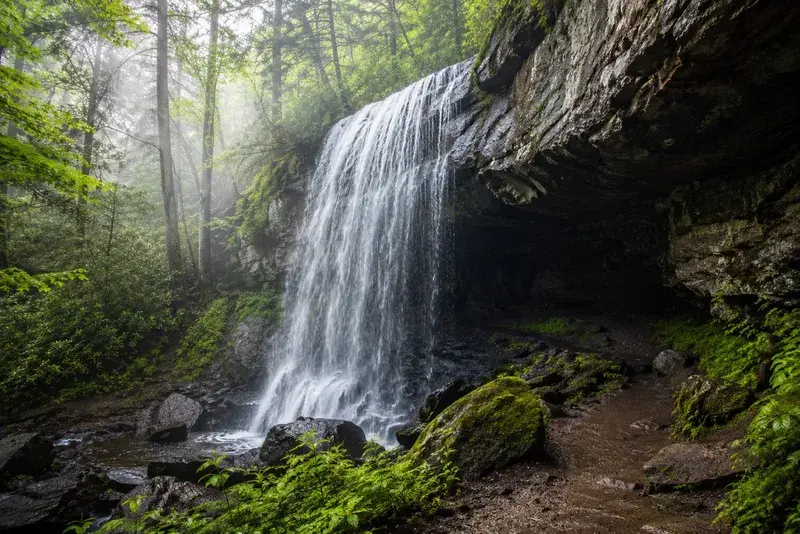
Grotto Falls is the only waterfall in Great Smoky Mountains National Park where you can walk behind the falling water, thanks to an overhanging cliff of Anakeesta rock that formed the natural grotto. The 2.6-mile round-trip trail begins near the Trillium Gap trailhead on Roaring Fork and passes through a dense hemlock forest. On wet days, the mist from the falls drifts back through the trees long before you see the cascade itself.
Mission 3
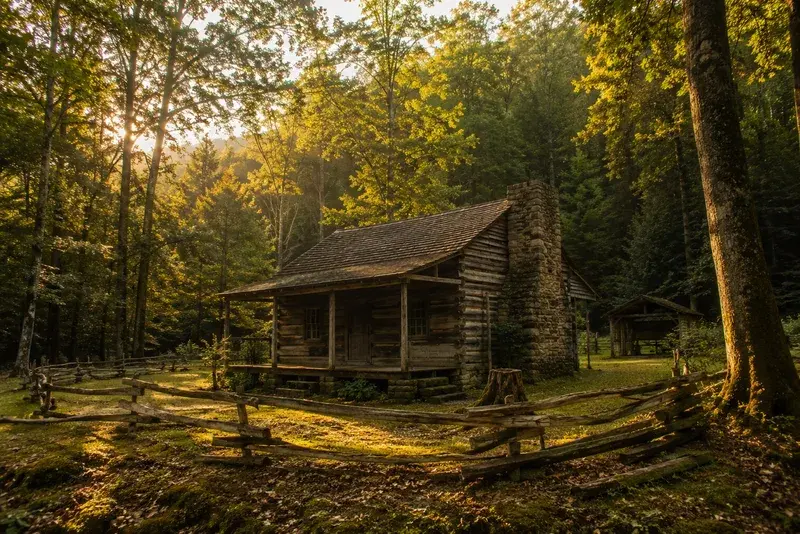
The Ephraim Bales Cabin
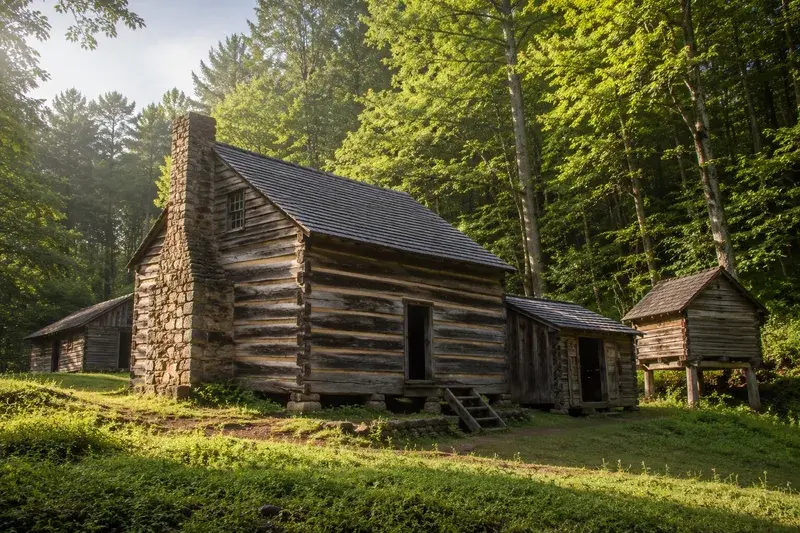
The Ephraim Bales cabin, visible from a roadside pullout, is one of the best-preserved examples of a Smokies dogtrot-style homestead — two log rooms connected by a covered open breezeway that allowed air to flow through in summer and kept farm animals separated from the living quarters. Bales and his wife Minerva raised nine children here in the early 1900s, farming a small clearing carved from the surrounding forest. The logs are hand-notched, fitted without nails using a corner-locking technique that has held for over a century.
Mission 4
Stream Sound Science
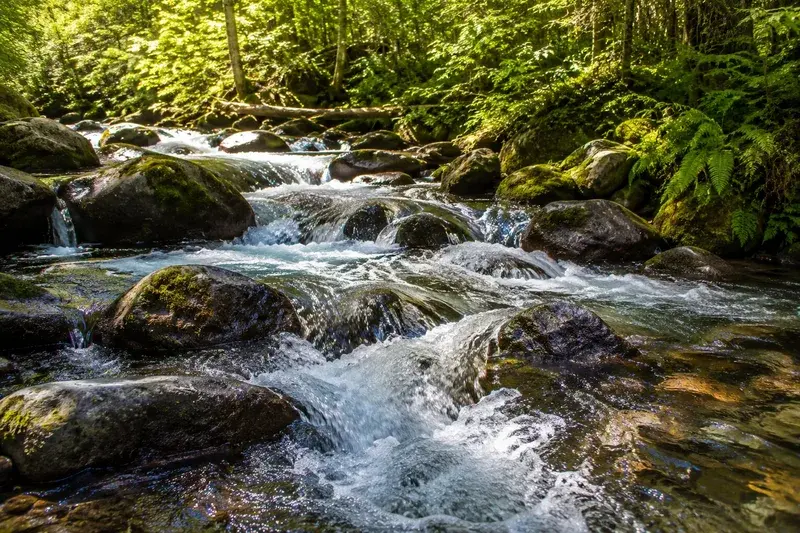
Roaring Fork Creek runs alongside much of the motor trail, and its constant sound is part of what makes the drive feel so immersive. The roaring noise comes from the stream's steep gradient — Roaring Fork drops over 1,000 feet in elevation over just a few miles, giving the water enough energy to tumble over and around boulders rather than flowing smoothly. Mountain streams like this are also indicators of water quality; the presence of aquatic insects like stoneflies and mayflies means the water is clean and well-oxygenated.
Mission 5
Old Homestead Orchard
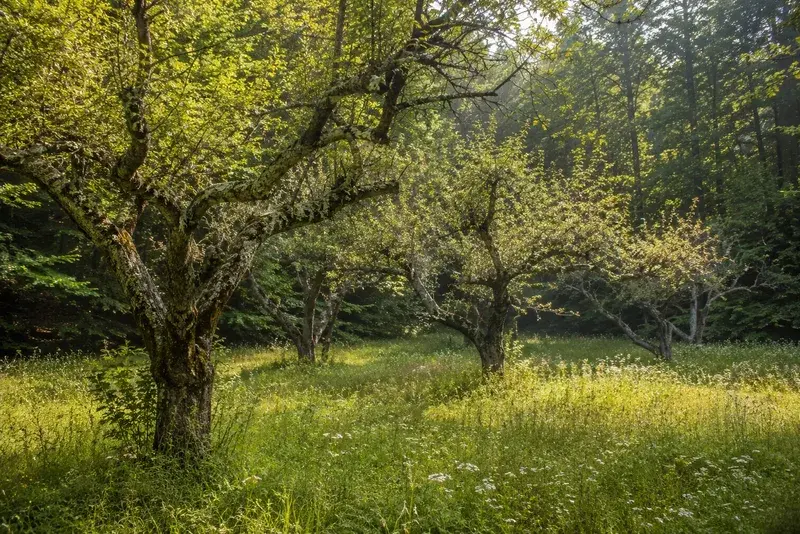
Near several of the Roaring Fork homestead sites, you'll notice fruit trees — apple, cherry, and pear — still growing wild decades after the families who planted them were relocated when the park was established in the 1930s. These survivor trees are called legacy plantings, and they're living evidence that families here cultivated food, not just hunted it. In autumn, black bears regularly visit these old orchard clearings to feed on the fruit before winter.
Mission 6
The Alfred Reagan Place
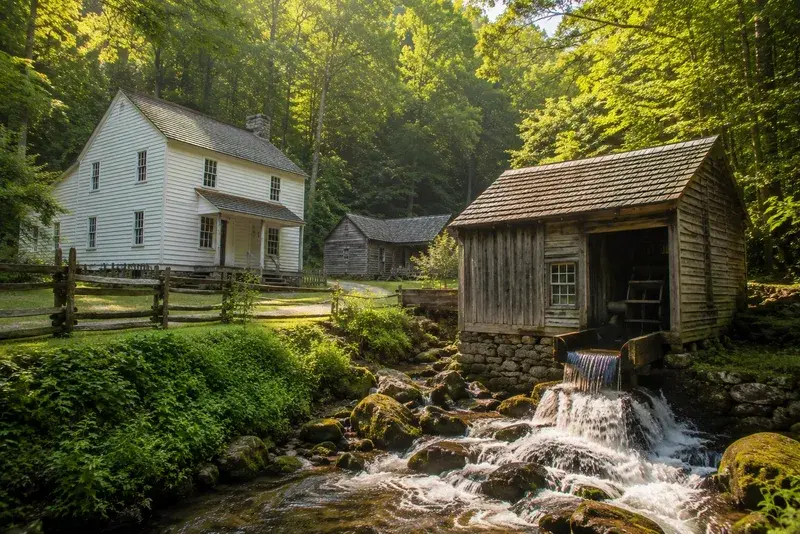
The Alfred Reagan tub mill, located at a well-marked pullout, is one of the rare remaining examples of a working grist mill complex that includes a mill house, tub mill, and barn all on the same site. Reagan operated this mill to grind corn for the surrounding community, charging neighbors a portion of their grain as payment — a system called toll grinding. The tub wheel used in this style of mill sits horizontally underwater, unlike the large vertical waterwheels most people picture, making it compact and well-suited to small mountain streams.
Mission 7
Canopy Layers Above
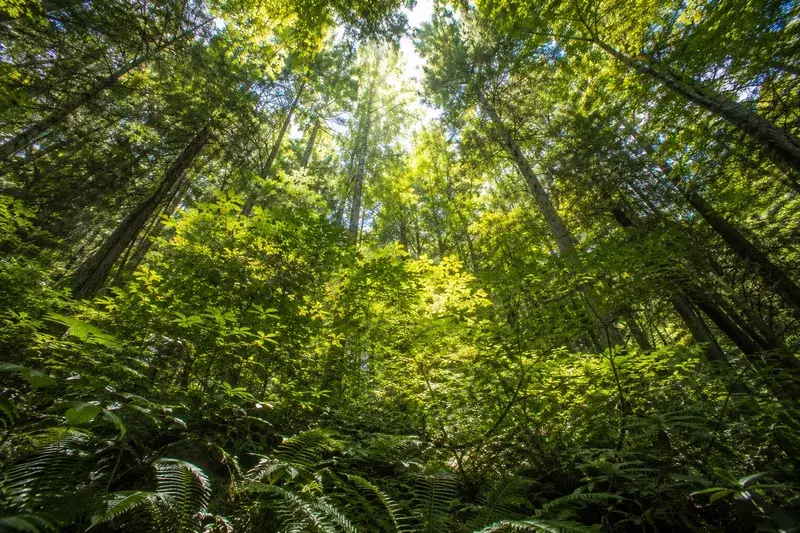
The forest along Roaring Fork is exceptionally dense because the combination of high rainfall, rich soil from the creek bottom, and sheltered cove topography creates near-ideal growing conditions. Look up and you'll see at least three distinct layers: the tall tulip poplars and hemlocks forming the upper canopy, a mid-layer of dogwood and serviceberry, and a ground layer of ferns and wildflowers. This kind of layered cove hardwood forest is one of the most biologically diverse temperate ecosystems in the world, with more tree species than in all of northern Europe.
Mission 8
How Families Survived Here
Before the national park was created, over 1,200 people lived in the Roaring Fork watershed, sustaining themselves through a combination of subsistence farming, livestock grazing, hunting, gathering, and trading at small mills like Reagan's. Families grew corn, kept hogs on open range in the forest, collected chestnuts and ramps, and harvested medicinal herbs like bloodroot and black cohosh to sell or trade. When the park was established between 1927 and 1943, most families were displaced — their land purchased or condemned — and the forest you're driving through today has largely regrown over what were once fields and pastures.
Play Roaring Fork Motor Nature Trail in Adventure Quest.
Roaring Fork Motor Nature Trail is one of the adventures in the Smoky Mountains collection, in Adventure Quest for iPhone.
More in Smoky Mountains
Waterfall
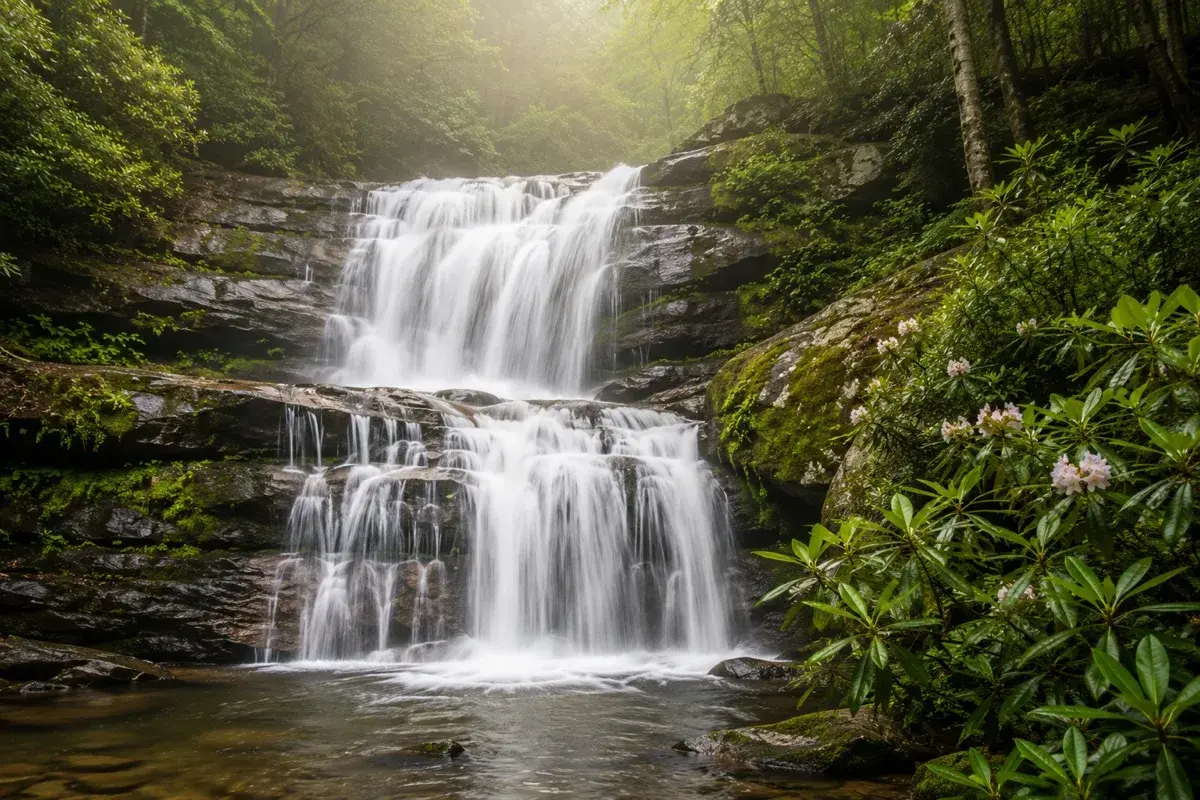
Laurel Falls Explorer
Follow the most popular paved trail in the park to one of its most spectacular waterfalls — 80 feet of cascading water surrounded by old-growth forest.
8 missions · 45-75 min
Summit
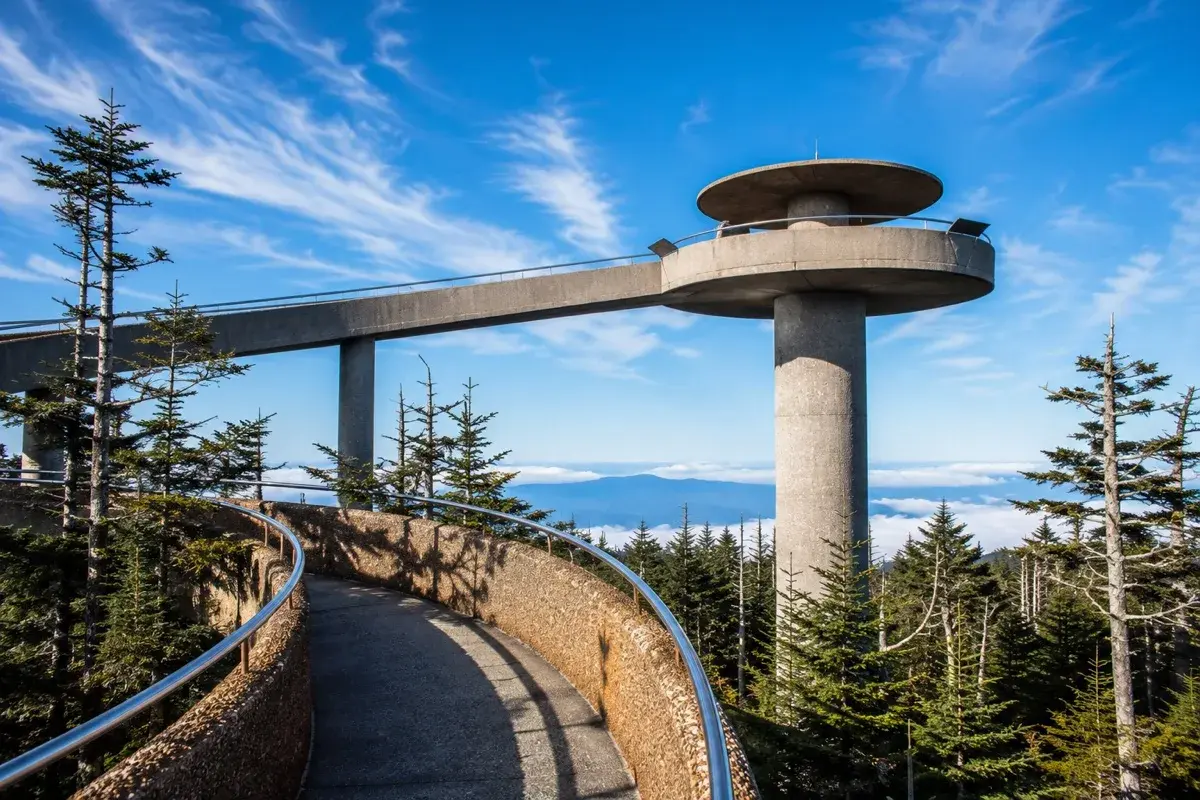
Kuwohi — Top of the Smokies
Climb to the highest point in the park and stand on an observation tower with views into seven states on a clear day.
8 missions · 45-75 min

Overlook · History
Newfound Gap & the Appalachian Trail
Drive the iconic road connecting Tennessee and North Carolina, stop at the Appalachian Trail marker, and stand in two states at once.
8 missions · 45-75 min
Pioneer History · Wildlife · First Free
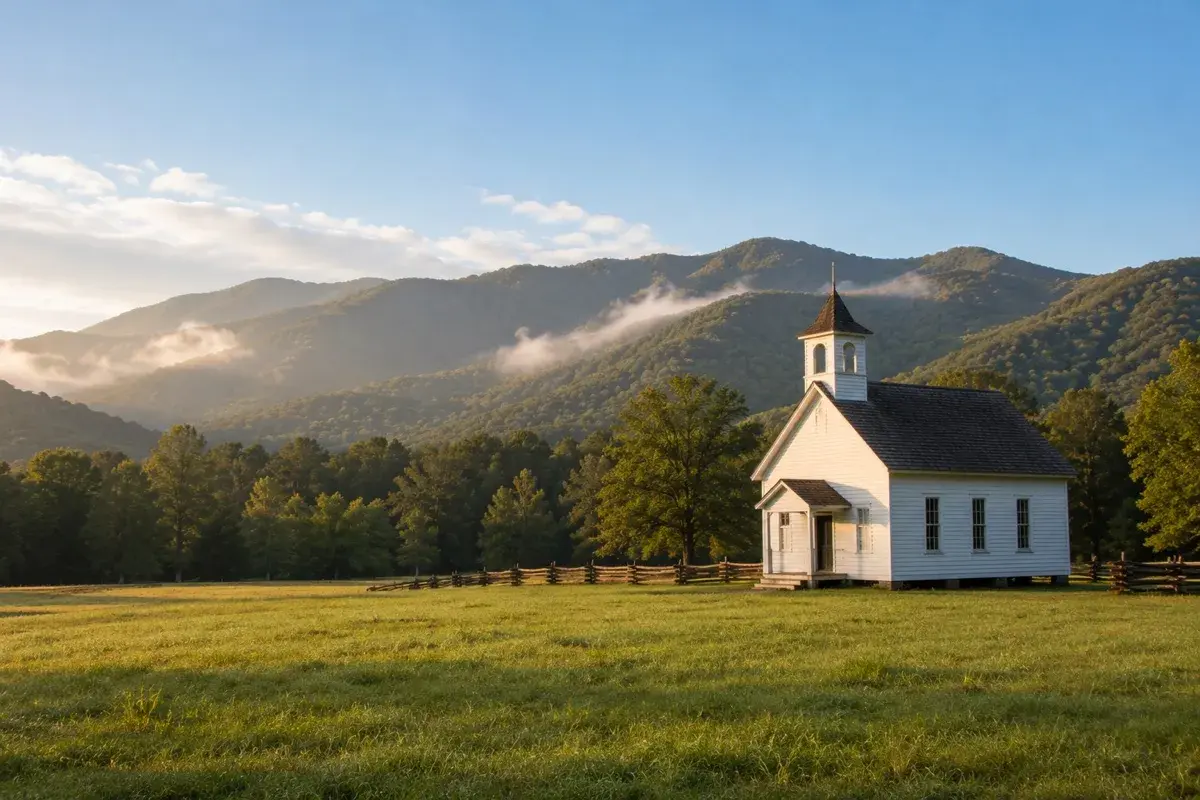
Cades Cove Loop
Drive the most visited loop in America's most visited national park — 11 miles of pioneer homesteads, three historic churches, a working grist mill, and wildlife around every bend.
8 missions · 2-4 hours