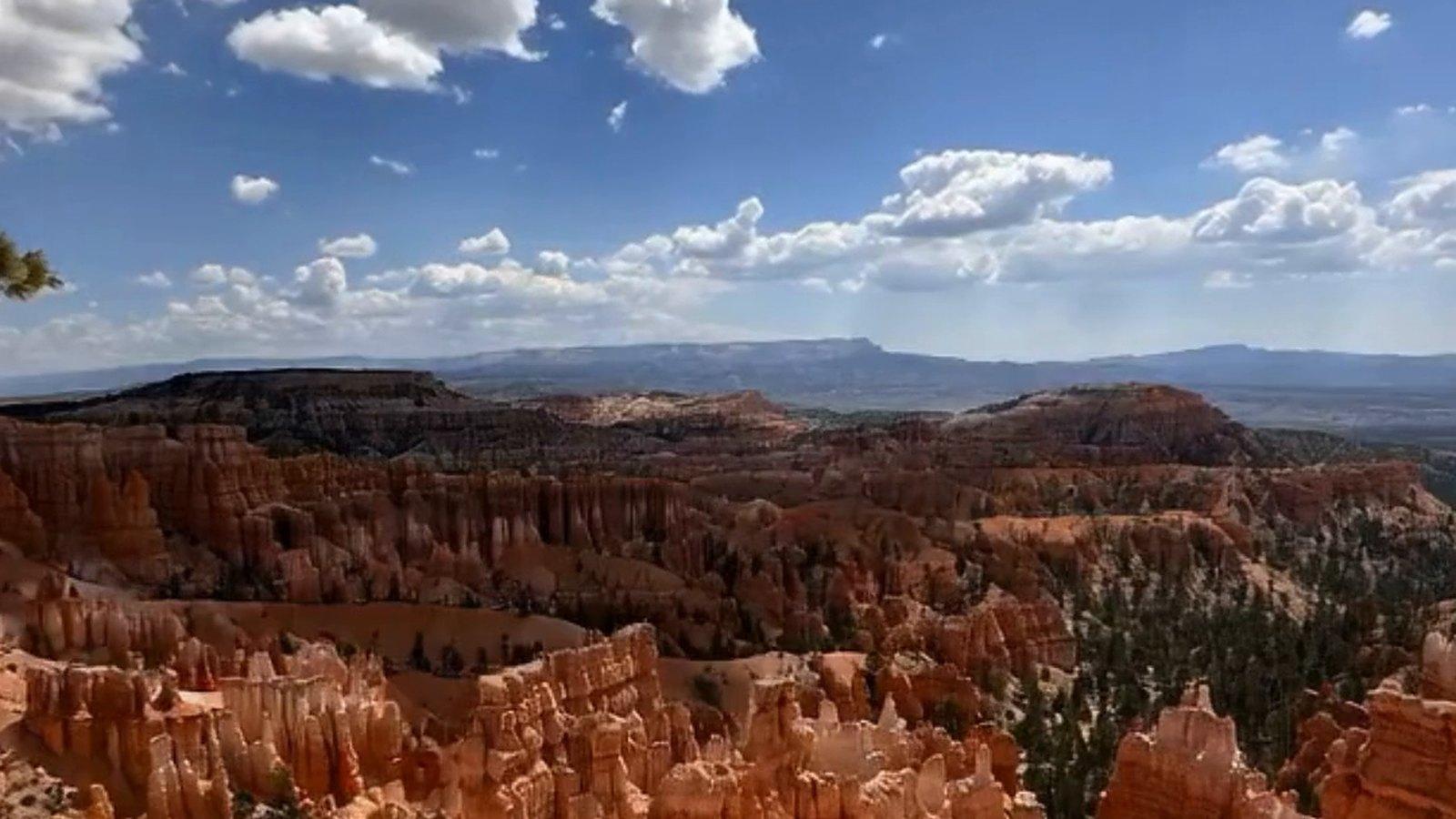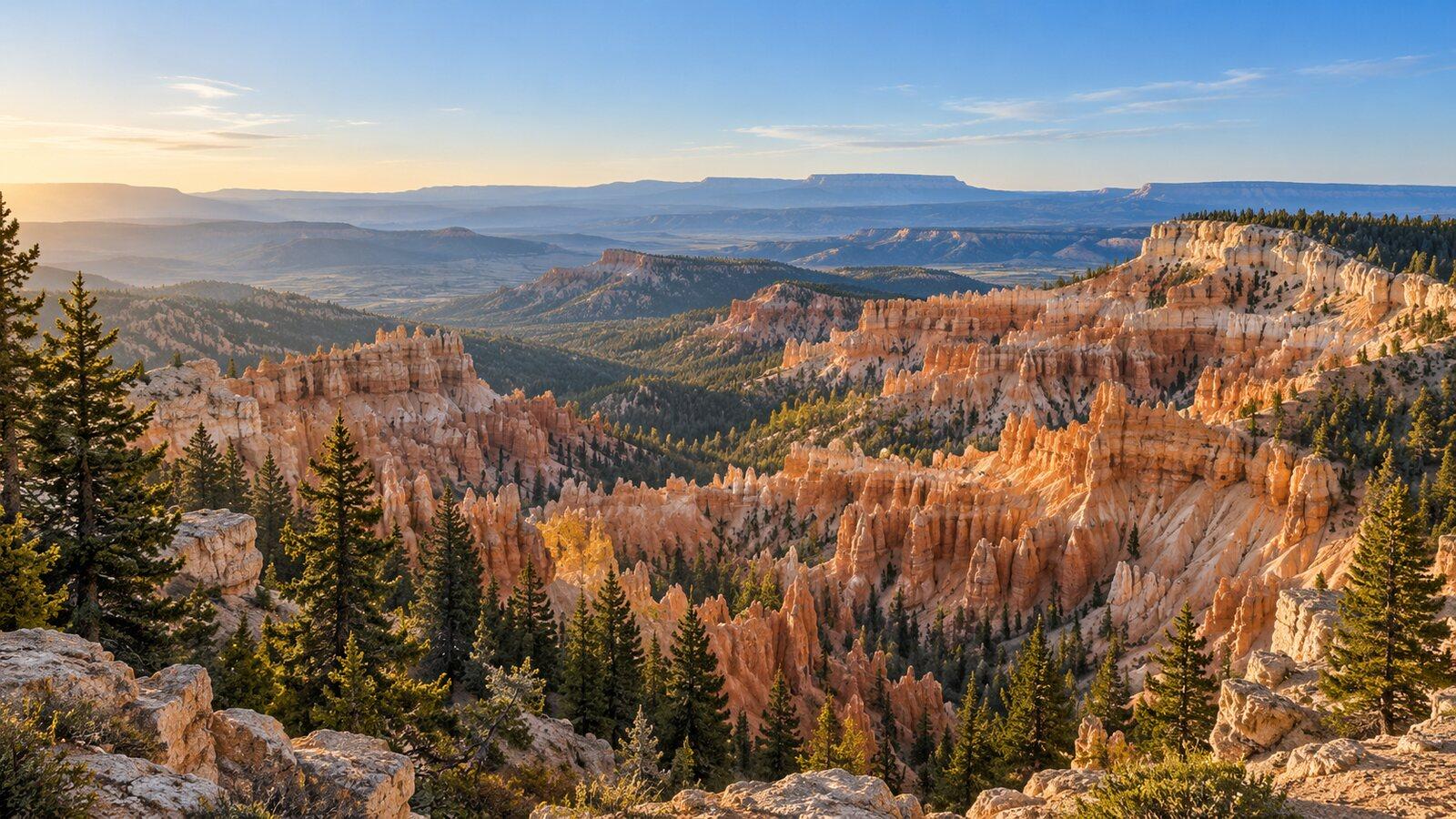
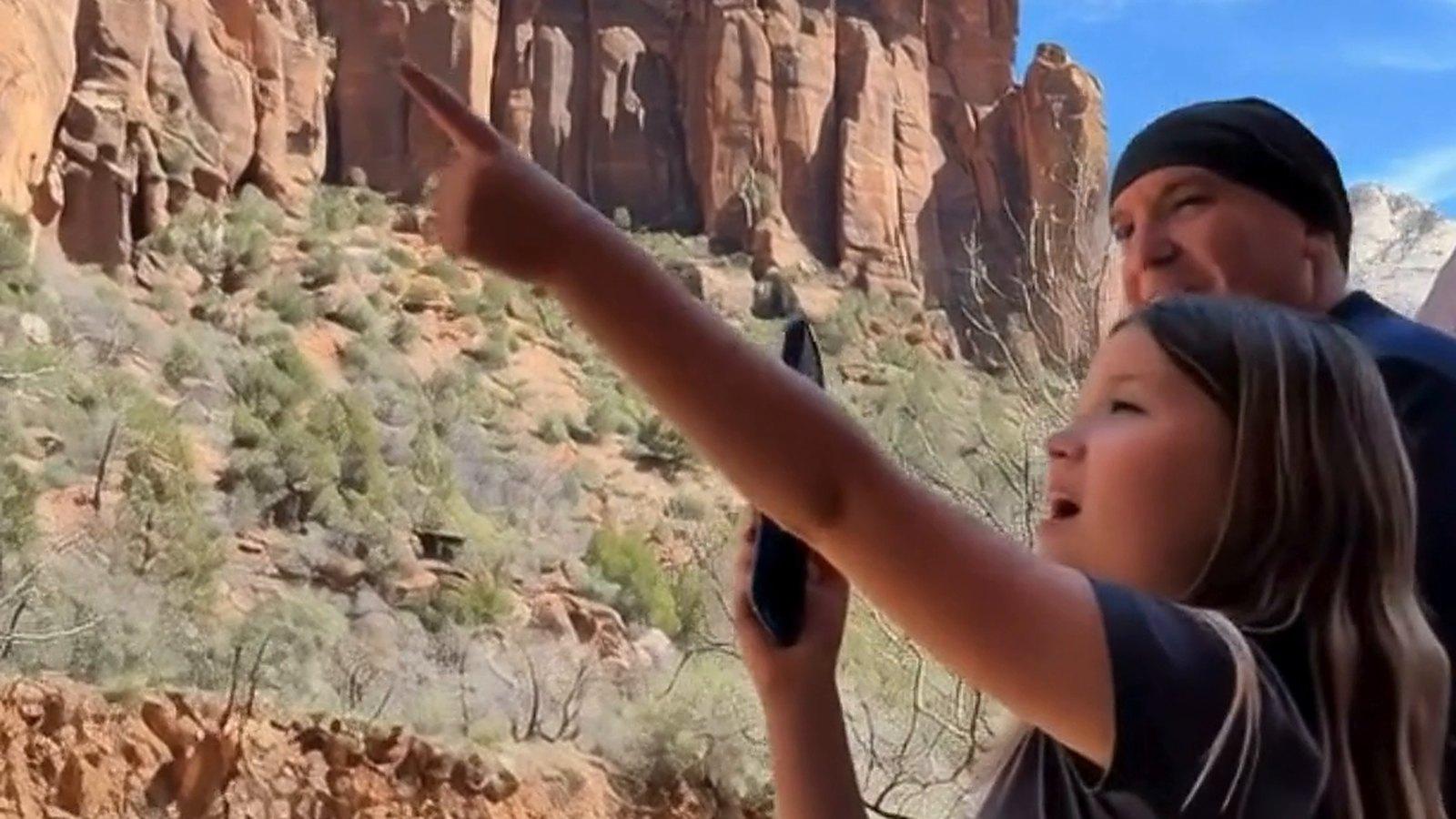
Trail status, shuttle dates, permits, fees and vehicle rules were checked against the National Park Service on 21 September 2026. Zion changes fast, especially after rockfall or storms, so the sources are listed at the end. Check them again the evening before you go.
Most Zion advice for families starts with the two hikes Zion is famous for: Angels Landing and the Narrows. With kids, neither has to be the plan. Angels Landing needs a lottery permit for the final chained section. The Narrows means walking in a cold river that the park closes when the water rises. The canyon floor itself asks for neither. It's a shuttle ride between towering sandstone walls, with short walks at the stops, and it holds children's attention on its own terms.
Choose the walk by what the group has today
Four family-sized pieces of Zion
| If the group wants… | Choose | Where | What it asks | Worth knowing |
|---|---|---|---|---|
| An easy first walk to the mouth of the Narrows | Riverside Walk | Shuttle stop 9, Temple of Sinawava | About 1 mile each way on a paved path | Wheelchair accessible with assistance, per the park. Sand can make parts slippery. You can stay dry by turning back where the pavement ends. |
| Something short, shaded and surprising | Weeping Rock | Shuttle stop 7 | 0.4 mile round trip, 98 feet of climbing, stairs | Short but steep. Reopened in September 2025 after a 2023 rockfall. |
| To look up without walking far | Big Bend | Shuttle stop 8 | A few minutes at the stop | The river curves here, and Angels Landing rises above the canyon floor. |
| One big view, earned | Canyon Overlook | By car, just east of the Zion–Mount Carmel Tunnel | 1 mile round trip with steep sandstone steps | Parking is extremely limited. The trail ends at a fenced cliff edge. Dogs aren't allowed. |
Distances come from the National Park Service. Allow more time than the mileage suggests, because kids stop, and on these walks stopping is the point.
The shuttle is the day
For most of the year you can't drive Zion Canyon Scenic Drive in your own car. The free park shuttle is the only way up the canyon, and no ticket or reservation is needed. The park runs the shuttle from early spring to late fall. Under the schedule in effect from 13 September to 24 October 2026, the first shuttle leaves the visitor center at 7 a.m., the last one up the canyon leaves at 6 p.m., and the last one down leaves the Temple of Sinawava at 7:15 p.m. From 25 October the park switches to a later-season schedule, and it lists no shuttle service from 29 November to 25 December. The no-private-vehicles rule applies while the shuttle is running.
Plan the day around that last departure, not the sunset. Build the afternoon backwards from it, especially with younger kids, and leave slack for a long line at the Temple of Sinawava. Paid parking in Springdale plus the free Springdale shuttle is the park's own suggestion for getting to the visitor center.
Riverside Walk, and where to stop
The Riverside Walk starts at the Temple of Sinawava, where the road runs out of canyon. It follows the Virgin River for about a mile on concrete, with cottonwoods overhead and green seeps on the walls, to the point where the path ends at the water. That's the start of the Narrows. With young children, that's a complete destination: stand at the end of the pavement and look upstream.
Going farther means walking in the river. The bottom-up Narrows hike needs no permit as far as Big Spring, and the park says you can spend an hour in the river and have a great experience. It also closes the Narrows to all travel when the river runs above 150 cubic feet per second, and whenever the National Weather Service issues a flash flood warning, for at least two hours after the warning lifts. Below 70 cubic feet per second, expect knee-deep crossings. Between 70 and 150, expect frequent thigh-deep crossings. Those are adult depths. Wear closed-toe shoes rather than sandals, use a sturdy hiking stick, and dress in quick-drying layers rather than cotton, because the canyon is colder than the rest of the park.
Weeping Rock is open again, but the trails above it are not
Weeping Rock closed after a rockfall in November 2023. The park reopened the trail and its shuttle stop on 5 September 2025. It's 0.4 miles round trip with a 98-foot climb and stairs: short, steep and paved, ending in an alcove where water drips out of the rock over a hanging garden of ferns and wildflowers. Most families need less than an hour.
The longer trails that used to start near here are still affected. As of the park's 16 September 2026 conditions update, the East Rim Trail is partially closed after a large rockfall. Hidden Canyon is closed, and Observation Point can only be reached from the east side of the park, not from Zion Canyon. Rockfall is ongoing in this part of the canyon. Follow posted closures, and check the park's current conditions page on the morning you go.
Angels Landing, from below
Angels Landing needs a permit, won in a seasonal or day-before lottery, for the final chained section beyond Scout Lookout. The climb to Scout Lookout needs no permit, but the park calls it strenuous. For most families the better version is to look up. From the canyon floor at Big Bend, the sandstone fin of Angels Landing rises about 1,488 feet above the Virgin River. Finding it from below, and working out where the trail must go, is a puzzle kids can actually solve.
Canyon Overlook: one mile, one big view
Canyon Overlook is on the east side of the park, just past the Zion–Mount Carmel Tunnel on Highway 9. The shuttle doesn't go there, so it's a drive. The park rates the trail moderate: 1 mile round trip, typically one to two hours. It has sandstone steps, some up to 18 inches high, metal railings, and a stretch above a narrow slot canyon. It ends at a fenced cliff edge looking straight down into Zion Canyon. The park's own wording on parking is that it is extremely limited and you should be prepared to try multiple times, so go early or be ready to loop back.
Two more rules matter for families in bigger vehicles. From 2 September 2026, the whole Zion–Mount Carmel Highway between Canyon Junction and the East Entrance is closed to vehicles over 11 feet 4 inches tall or 7 feet 10 inches wide. Mirrors, bike racks and roof boxes count. There are also limits on length and combined length. Check the park's large-vehicle page before bringing an RV or a tall camper this way.
What children can notice here
Zion is easy to experience as one enormous red wall. What makes it stick for kids is a few specific things to find, and the canyon is generous with them. These come from the Adventure Quest Zion adventures, and each works without the app too.
Some moments don't need a mission at all. The last mission in the Zion Canyon Floor adventure is simply the canyon at dusk: watching the walls shift from orange toward purple as the light leaves them. Take one picture, then put the phone away and watch. Just leave enough time for the last shuttle.
Heat, storms and water
Flash floods can happen at any time in Zion's narrow canyons, and afternoon thunderstorms are the usual trigger. That's the main reason to do river walking in the morning and keep the afternoon flexible. Carry more water than you think a short walk needs, and plan shade breaks: Weeping Rock's alcove and the cottonwoods along the Riverside Walk are both cooler than the open road. If the forecast turns, the shuttle and the visitor center are the backup plan.
Practical notes for parents
Entrance is $35 per private vehicle, valid for seven days. Since 2026, non-US residents aged 16 and over pay an additional $100 unless they hold an annual or America the Beautiful pass. Zion Canyon trails are mostly reached by shuttle between spring and late fall, and the park's own advice is that your safety is your responsibility. Stay on the trail, stay behind railings, and treat any closed area as closed. The rock here moves.
Take the outing with you
The Zion collection in Adventure Quest turns these walks into missions: Zion Canyon Floor for the shuttle stops, Riverside Walk, Weeping Rock and Canyon Overlook Trail. Each has eight small things to notice, find and photograph, and six of them finish the adventure. It's built to use while you're standing there, not to read beforehand, so the phone comes out for a moment and goes back in your pocket.