
Barcelona · Barcelona, Spain
Barcelona Highlights Explorer
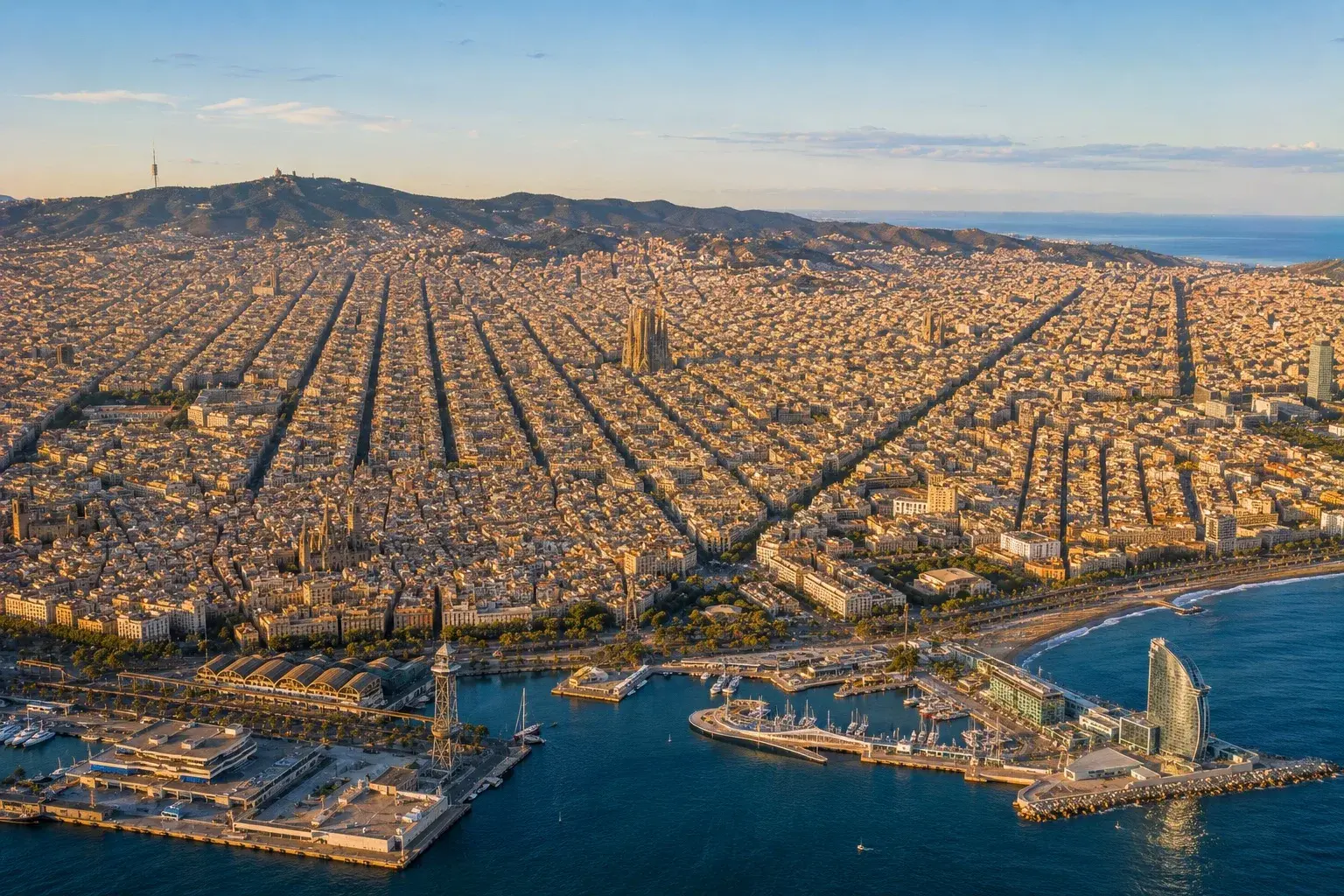
Explore the essential Barcelona — Cerdà's grid, Las Ramblas over a stream, Gaudí's failed garden city, the Olympic waterfront, and the locals' secret view from the Bunkers.
- 8 missions
- Explore in real life
- Snap the photo
- Learn more if you’re curious
Explore the essential city in one adventure — Cerdà's perfect grid, Las Ramblas built over a stream, Park Güell as a failed real estate development, the dragon that's secretly a drain, the Olympics that opened Barcelona to the sea, the Palau de la Música lit entirely by natural light, and the locals' secret viewpoint from the Bunkers.
- Where
- Barcelona, Spain
- Time
- 2-4 hours
- Missions
- 8 · complete 6 to finish
- Collection
- Barcelona
- City
- Highlights
- Family
What this adventure explores
- Designed City
- Living Streets
- Secret Views
Missions
8 missions at Barcelona Highlights Explorer
Mission 1
The Grid and the City
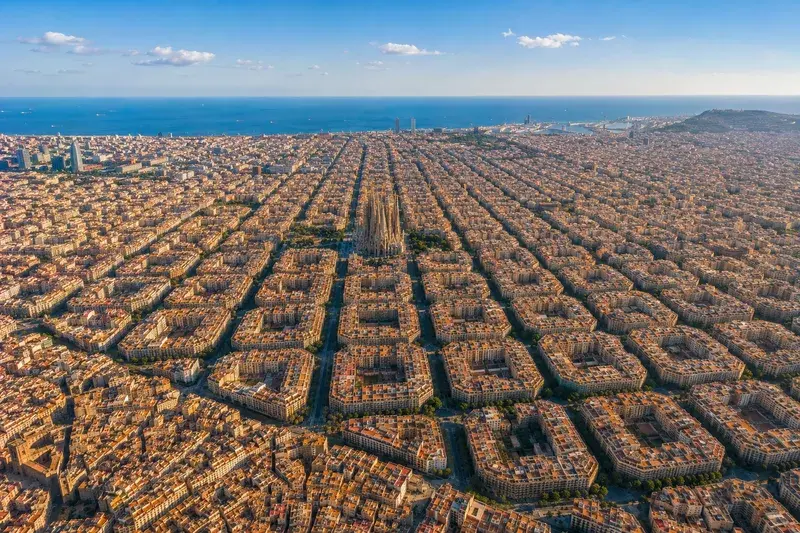
Modern Barcelona was designed in 1859 by engineer Ildefons Cerdà — who invented the word "urbanization" — as a radical grid of perfectly square city blocks with chamfered corners that create octagonal intersections. Cerdà designed each block to have interior gardens accessible to residents as a public health measure for a city then suffering from tuberculosis. Almost none of the interior gardens were ever built as intended — the space was filled with additional buildings instead. Barcelona is still arguing about whether to reclaim them.
Mission 2
Las Ramblas
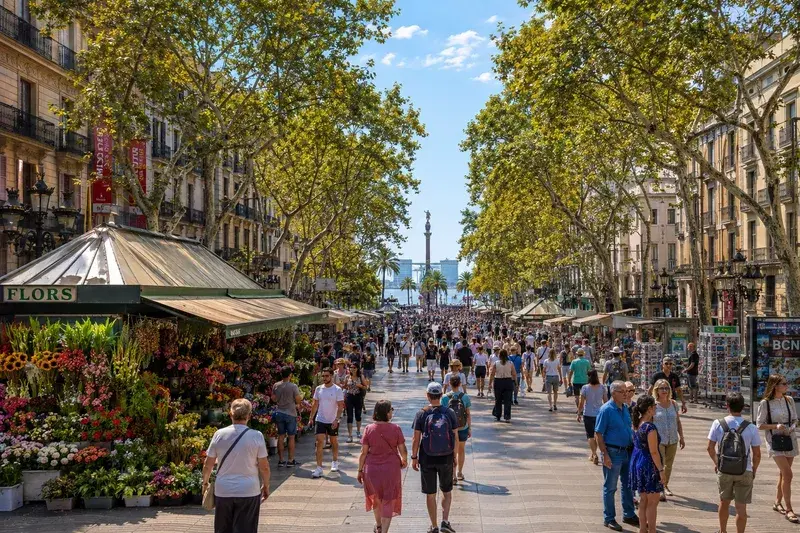
Las Ramblas is a 1.2-kilometer pedestrian boulevard built over a seasonal stream called the Rambla in the 18th century, which is why it sits slightly lower than the streets on either side. For most of its history Las Ramblas was the social center of Barcelona life. Today it is overwhelmingly dominated by tourists and has developed a reputation for pickpockets so persistent that most Barcelonans avoid it.
Mission 3
Park Güell Above the City
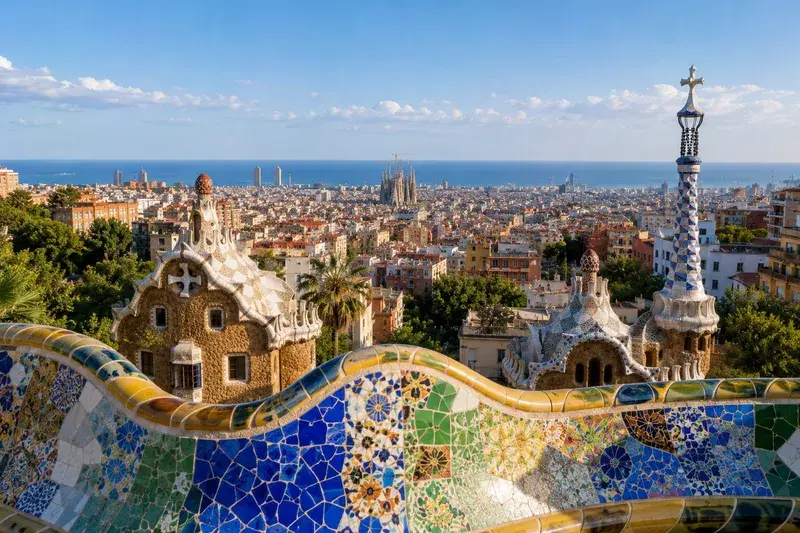
Park Güell was designed by Antoni Gaudí between 1900 and 1914 as a private garden city for wealthy Barcelonans — an ambitious residential development that failed commercially. Only two houses were ever sold, one of which Gaudí bought for himself. The famous mosaic terrace, the dragon staircase, and the hypostyle hall were designed as communal facilities for residents who never materialized. The gingerbread gatehouse that most visitors associate with Gaudí was actually designed by his collaborator Francesc Berenguer.
Mission 4
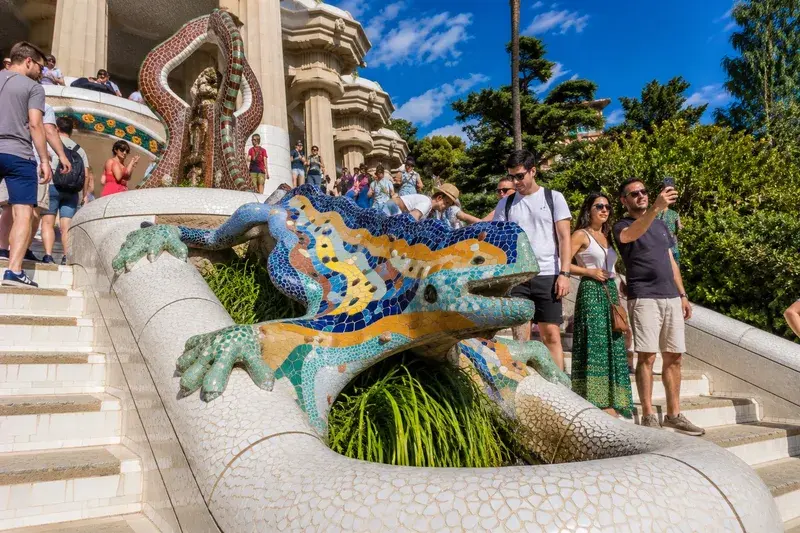
The Dragon Staircase
The mosaic salamander — universally called the dragon — at the top of Park Güell's grand staircase is one of the most photographed objects in Barcelona. It is covered in trencadís — a mosaic technique using broken ceramic tiles — and originally functioned as a drain for rainwater collected from the hypostyle hall above. The dragon is the visible face of an invisible plumbing system — the most photographed decorative object in Park Güell is engineering disguised as art.
Mission 5
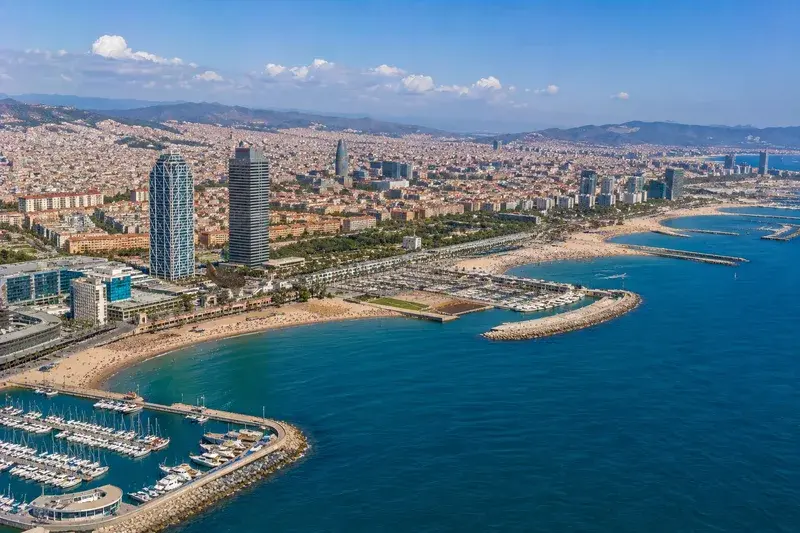
The Olympic City
The 1992 Barcelona Olympics transformed the city more fundamentally than any other event in its modern history — opening the waterfront to the public for the first time in over a century. Before 1992 Barcelona's beaches were largely inaccessible behind a wall of railway lines and industrial facilities — the city turned its back on the sea. The Barcelona model of Olympic urban renewal is now studied in urban planning schools worldwide.
Mission 6
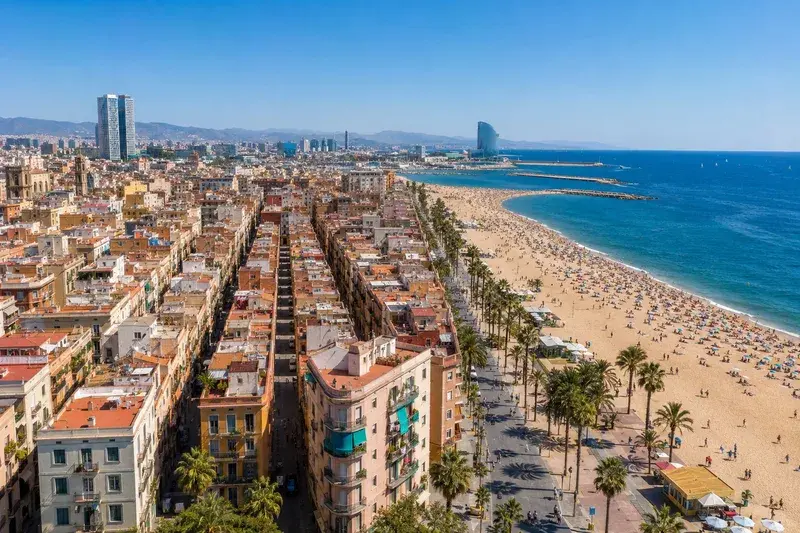
Barceloneta Beach
Barceloneta was built in the 18th century to house residents displaced when the military citadel was constructed. The neighborhood's unusually narrow streets and long thin blocks were the result of a military engineer's decision to limit building heights so that cannon fire from the citadel could reach any point in the neighborhood — a design created to control the population, not serve it. Today Barceloneta is Barcelona's beach neighborhood with one of the most crowded urban beaches in Europe.
Mission 7
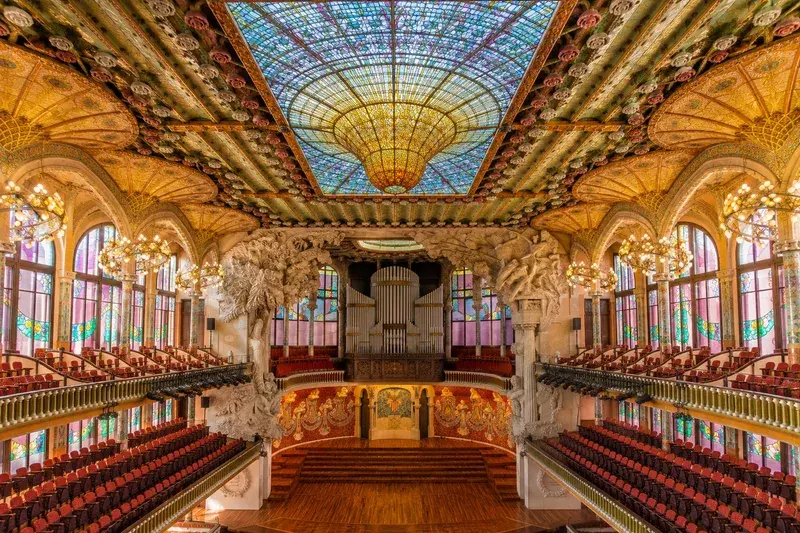
The Palau de la Música
The Palau de la Música Catalana is the only concert hall in Europe lit entirely by natural light during the day — its main hall flooded by a central inverted stained glass skylight. Domènech i Montaner was Gaudí's contemporary and rival — the two architects defined Catalan Modernisme together from opposite directions, Gaudí through organic nature and Domènech through color and ornamentation.
Mission 8
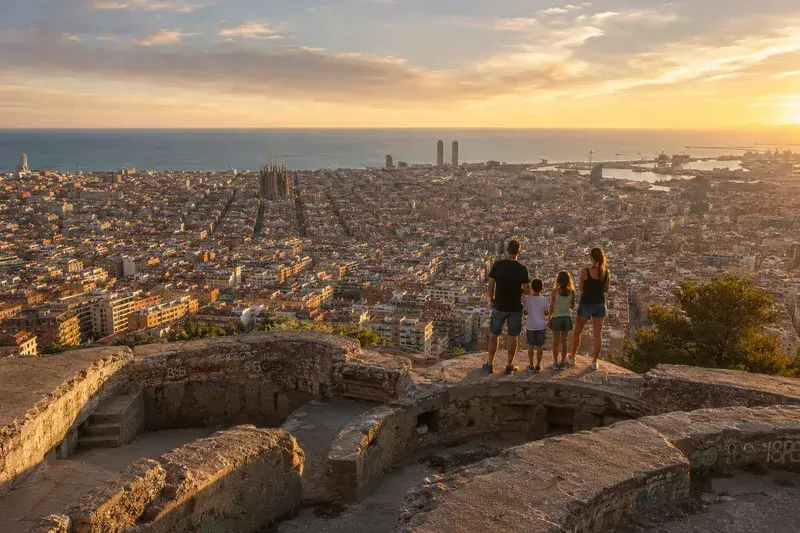
Barcelona From Bunkers
The finest view of Barcelona is from the Turó de la Rovira — known as the Bunkers because the anti-aircraft gun emplacements built there during the Spanish Civil War are still visible. From the bunkers you can see the entire city simultaneously — the Eixample grid, the Gothic Quarter, the Sagrada Família towers, the port and the sea beyond. Locals knew about it long before tourists did and many Barcelonans still consider it their view, not a tourist attraction.
Play Barcelona Highlights Explorer in Adventure Quest.
Barcelona Highlights Explorer is one of the adventures in the Barcelona collection, in Adventure Quest for iPhone.
More in Barcelona
Gaudí · Architecture · Family
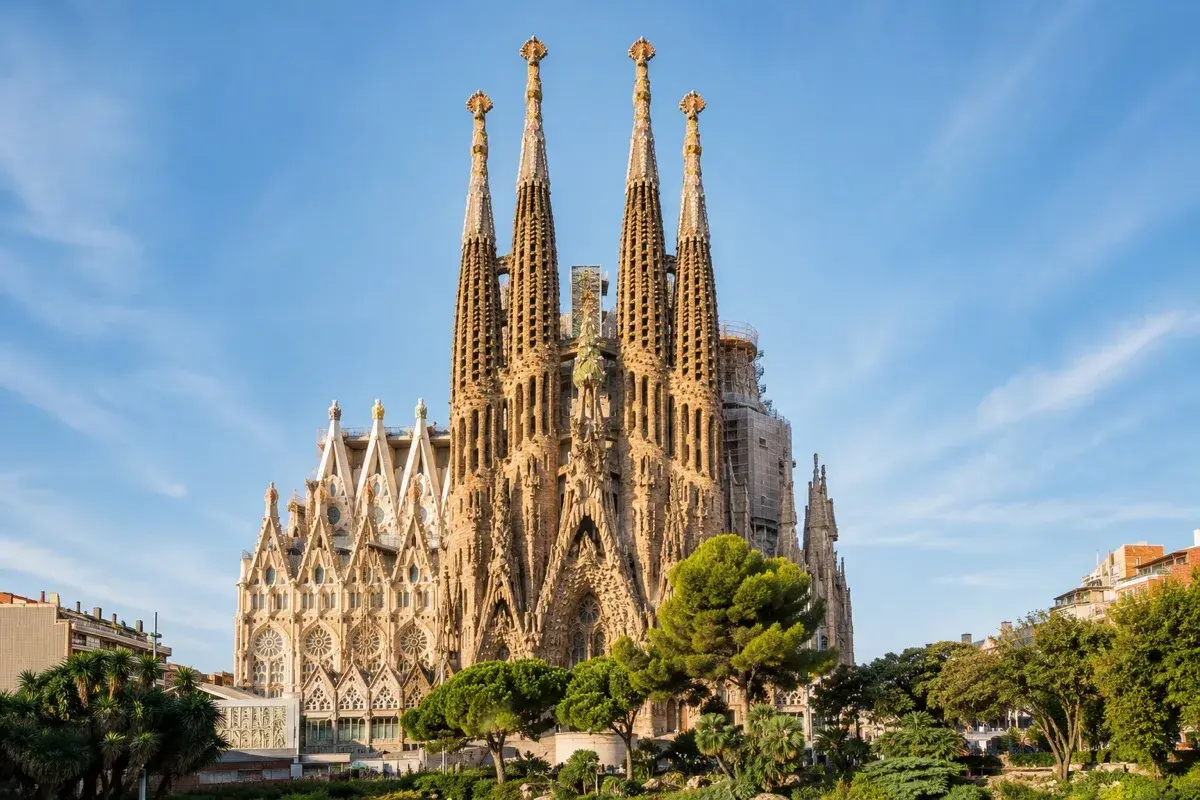
Sagrada Família Explorer
Explore the Sagrada Família — 144 years of construction, a stone forest, a hidden magic square, and the architect buried in the crypt of the building he never saw finished.
8 missions · 1.5-3 hours
Museum · Art · Family
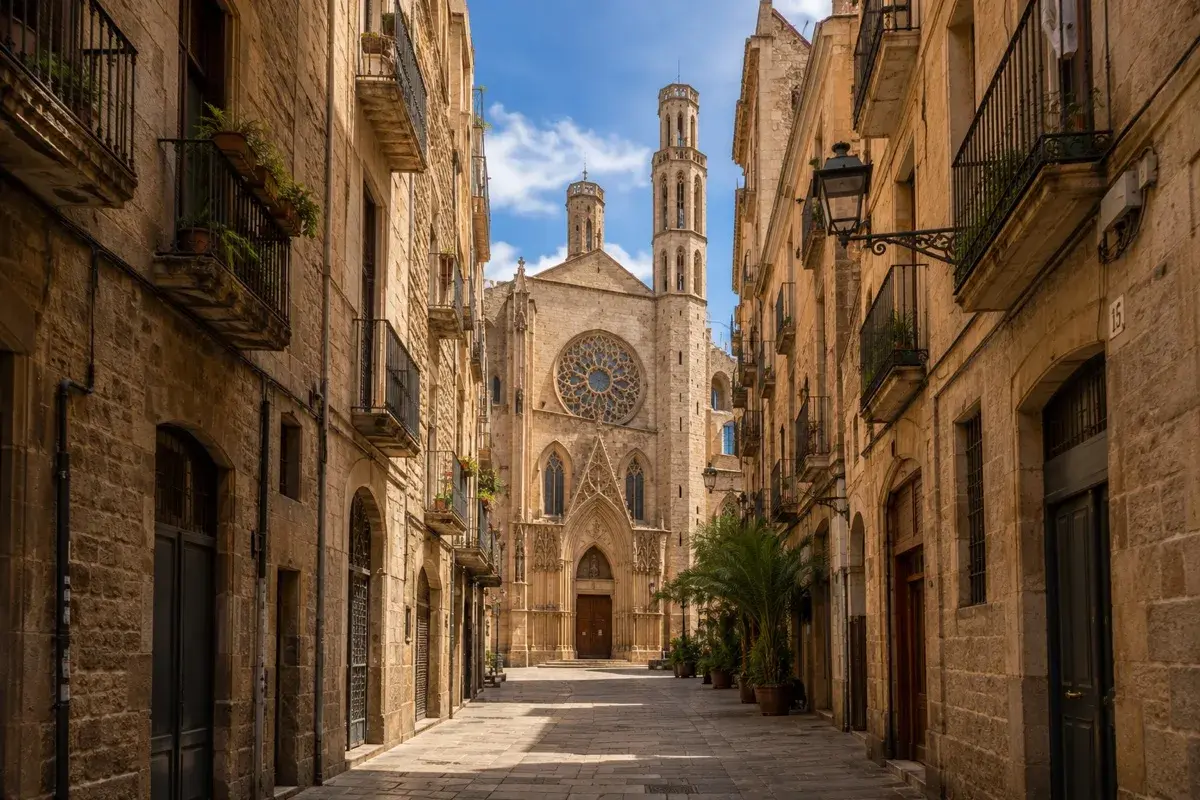
Picasso Museum & El Born Explorer
Explore the Picasso Museum and El Born — five medieval palaces, a 58-painting argument with Velázquez, a buried 1714 neighborhood, and the streets that made Picasso.
8 missions · 1.5-3 hours
History · Medieval · Family
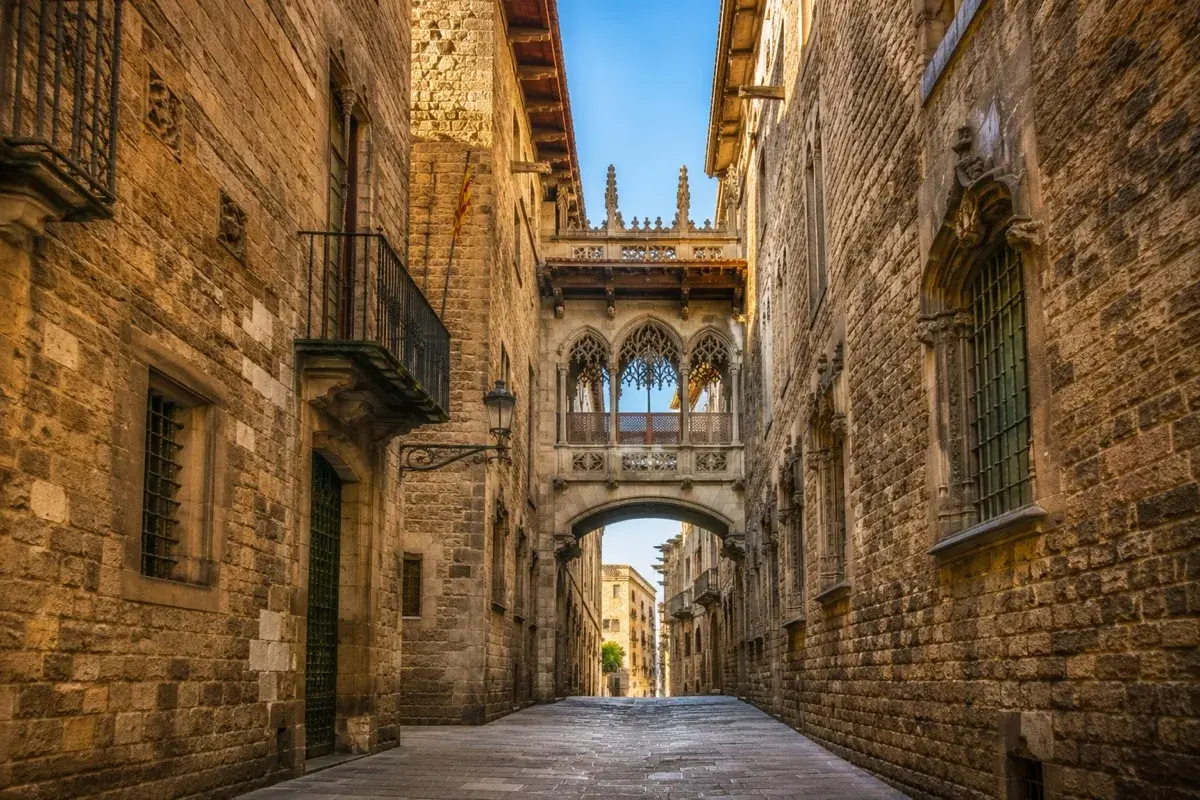
Gothic Quarter Explorer
Navigate 2,000 years of history through the Gothic Quarter — Roman walls, a cathedral of geese, hidden plazas, and streets walked continuously for 80 generations.
8 missions · 1.5-3 hours
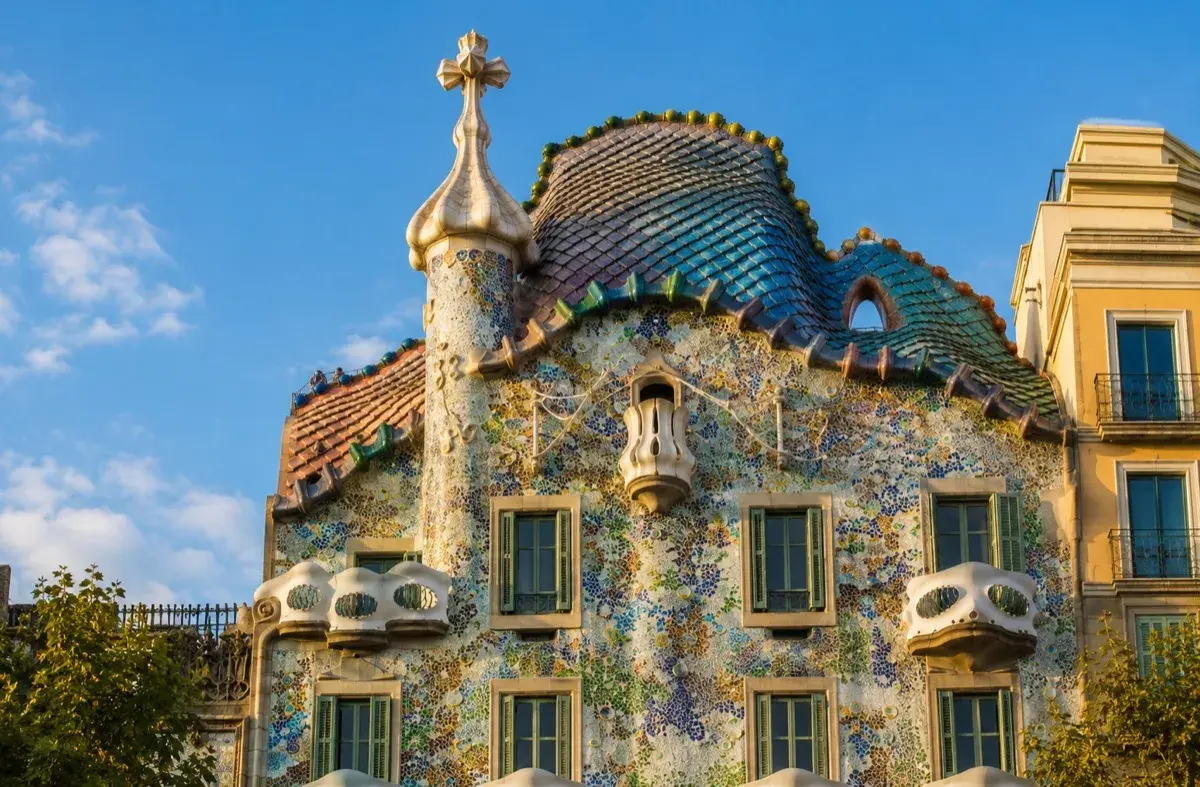
Gaudí · Modernisme · Family
Casa Batlló & Passeig de Gràcia Explorer
Walk Passeig de Gràcia through eight missions — the Block of Discord, a dragon's-back roofline, an underwater light well, and the sculptural rooftops of Gaudí's Barcelona.
8 missions · 1.5-3 hours